Physical Social Engineering: Evaluating On-Site Access Vectors
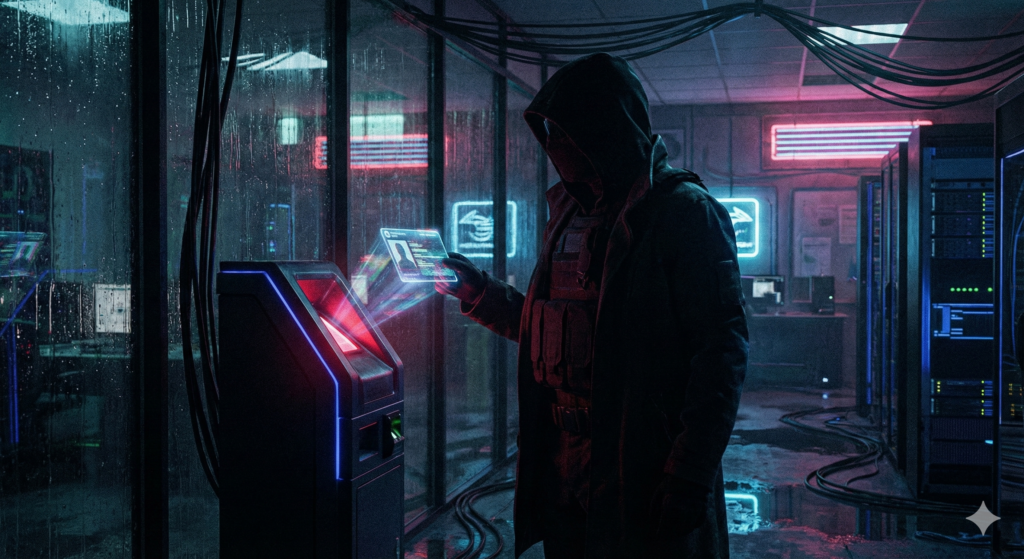
Modern enterprises invest millions in sophisticated digital defense systems to protect their networks, but they often forget that the weakest link has legs and can walk right through the front door. An attacker does not need to crack complex encryption if they can simply smile, hold a heavy box, and ask a polite employee to hold the door open for them.
Physical Social Engineering is the art of exploiting human psychology and vulnerabilities in on-site access controls to compromise critical facilities. Evaluating these vectors is fundamental, as an intruder with physical access to your servers or endpoints can bypass even the most robust digital perimeter defenses in a matter of minutes.
The Problem in Short
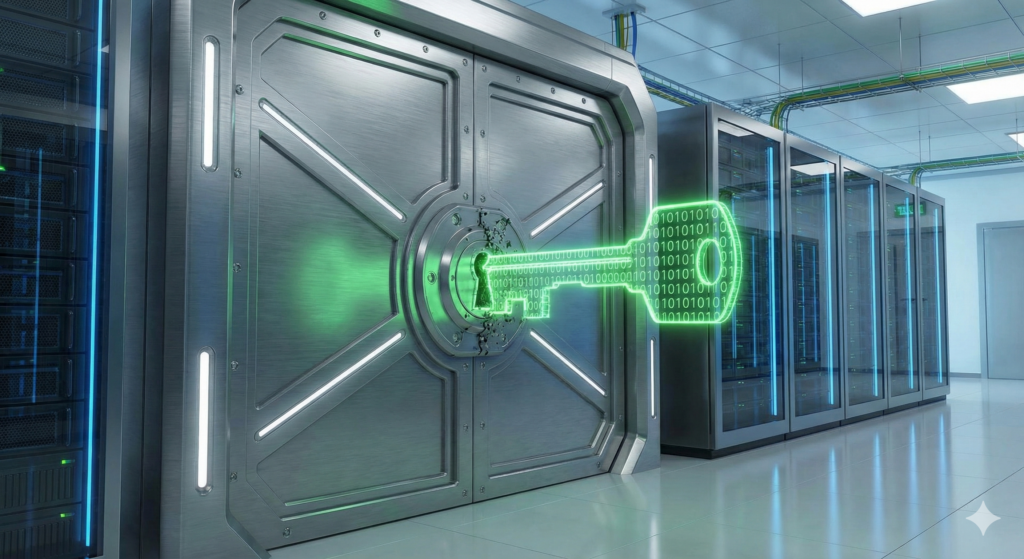
Over-reliance on perimeter technology creates critical blind spots in corporate infrastructure. Cloned access cards, fake maintenance uniforms, and “tailgating” (following an authorized person into a restricted area) are everyday tactics. The risk is tangible: 82% of security breaches still involve the human factor or failures in verification protocols. Ignoring on-site assessment leaves your most valuable assets exposed to direct information theft or the implantation of malicious hardware.
The Solution / Key Components
To mitigate these risks, organizations must adopt an offensive stance that tests their defenses in the real world, evaluating both the technology and their staff’s reactions.
Physical Intrusion Simulation
The first step is to execute controlled scenarios where experts attempt to breach your facilities. Conducting specialized Pentesting that includes physical vectors identifies flaws in biometric controls, poorly positioned surveillance cameras, and vulnerable reception desks. This analysis reveals exactly how an attacker could move undetected within your building.
Integrated Assessment and Attack
Once inside, an attacker’s goal is to connect illicit devices or steal hardware. Integrating these on-site simulations with a comprehensive attack strategy allows you to measure not only if someone can get in, but what level of digital damage they can inflict. A compromised physical port can easily become the gateway for a devastating Ransomware deployment.
Human Element Awareness
Security tools cannot stop intruders if your own employees let them in out of courtesy. Transforming your team into the true first line of defense requires specialized and continuous Training. By educating your staff on manipulation tactics and establishing strict identity verification protocols, you drastically reduce the success rate of any social engineering attempt.
Conclusion
Corporate resilience in 2026 demands a 360-degree security vision; one that understands that physical and logical attack vectors are intrinsically connected. Ensuring business continuity means locking the doors both on the network and in the physical world. A strategic alliance to continuously evaluate your on-site access vectors is the best defense against silent and devastating physical intrusions.
👉 TEST YOUR DEFENSES TODAY WITH OUR RED EXPERTS
🌎 GLOBAL ATTENTION & COVERAGE
📞 Phone / WhatsApp:
- 🇲🇽 MX: +52 1 55 5550 5537
- 🇺🇸 USA: +1 (918) 540-9341
📧 Email Support & Sales:
🌐 Global Coverage & Service Locations We provide immediate attention, strategic consulting, and deployment of Security Compliance Specialists and Cybersecurity Experts across the entire Americas, ensuring business continuity in the main markets of:
- 🇺🇸 United States: Miami, Houston, New York, San Francisco, Los Angeles, among others.
- 🇲🇽 Mexico: Mexico City (CDMX), Monterrey, Guadalajara, Queretaro, Tijuana (Nationwide Coverage).
- 🇬🇹 Guatemala: Guatemala City, Quetzaltenango, Escuintla, Antigua Guatemala (Nationwide Coverage).
- 🌎 Latin America: Bogota, Medellin, Lima, Santiago de Chile, Buenos Aires, Sao Paulo, Panama City, serving the entire region.
Tags: #HackingMode #Cybersecurity #SecurityCompliance #HackingRED #Pentesting2026