Incident Response Plan: The First 60 Minutes
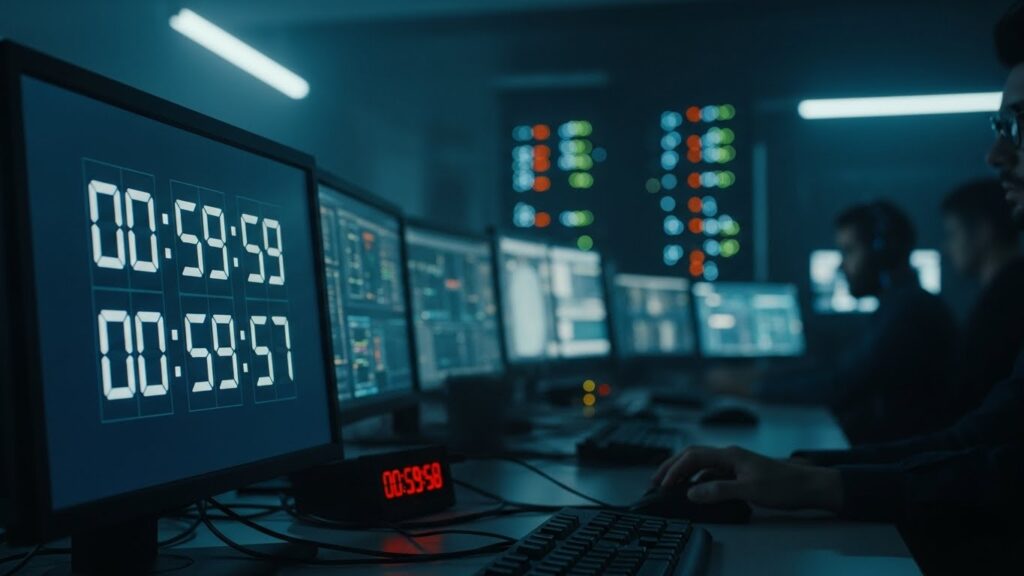
Picture this: it’s 3:00 AM on a Saturday. Your servers reboot without authorization. Is it a glitch, or is there an intruder in the network? In cybersecurity, we call this moment “The Golden Hour.” What you do in these first 60 minutes will determine if you suffer a minor inconvenience or an irreparable financial catastrophe.
In the current landscape of 2026, where attack automation is the norm, improvisation is a death sentence for businesses. Panic paralyzes, but a well-executed incident response plan ensures operational survival.
It is not a matter of if you will be attacked, but when. The difference between a rapid recovery and going out of business lies in preparation and the reaction speed of your defensive team.

The Problem: The Cost of Panic
Chaos is the attacker’s best ally. When there is no clear protocol, IT teams waste valuable time arguing over who has permission to shut down a critical server or scrambling for vendor phone numbers.
During that first hour, malware moves laterally at breakneck speeds. Without a solid Incident Response (IR) strategy, data is exfiltrated and backups are compromised before anyone takes control of the situation. Alert fatigue often causes real signals to be ignored until it is too late.
The Solution: 60-Minute Containment Protocol
To survive, you need structure. An effective plan transforms chaos into a mechanical and precise process. Here is how a mature defense must act in that critical hour.
Minute 0-15: Detection and Triage (The Truth)
The clock starts ticking. The goal here is to validate the threat. You cannot shut down the business for a false positive, but you cannot hesitate before real Ransomware.
- A SOC (Security Operations Center) must correlate the alert immediately.
- The severity of the incident must be classified. Does it affect critical data? Is it active?
- The team must declare the incident and activate the chain of command without wavering.
Minute 15-45: Containment and Isolation
Once the attack is confirmed, the priority shifts from “investigate” to “stop.” This is where prior Consultancy in network segmentation pays dividends.
- Isolate infected endpoints from the main network.
- Block communications with malicious IPs using the Firewall.
- If necessary, cut compromised remote access. The goal is to stop the data hemorrhage.
Minute 45-60: Eradication and Preservation
With the threat contained, the ground is prepared for cleanup and legal analysis.
- Initiate Digital Forensics processes to secure the chain of custody for evidence.
- Execute aggressive Threat Hunting to ensure there are no hidden “backdoors” left by the attacker to return.
- Begin the recovery plan and communication with stakeholders.
Conclusion
Defensive cybersecurity is not static; it is a state of constant alertness. The first 60 minutes are a trial by fire for your organizational resilience. Do not wait to have the attacker inside to test your protocols.
Having a strategic ally monitoring your infrastructure while you sleep is not a luxury; it is an operational necessity. Transform your reactive defense into a proactive precision machine.
👉 PROTECT YOUR INFRASTRUCTURE 24/7 NOW
🌎 GLOBAL ATTENTION & COVERAGE
📞 Phone / WhatsApp:
- 🇲🇽 MX: +52 1 55 5550 5537
- 🇺🇸 USA: +1 (918) 540-9341
📧 Email Support & Sales:
🌐 Global Coverage & Service Locations We provide immediate attention, strategic consulting, and deployment of Security Compliance Specialists and Cybersecurity Experts across the entire Americas, ensuring business continuity in the main markets of:
- 🇺🇸 United States: Miami, Houston, New York, San Francisco, Los Angeles, among others.
- 🇲🇽 Mexico: Mexico City (CDMX), Monterrey, Guadalajara, Queretaro, Tijuana (Nationwide Coverage).
- 🇬🇹 Guatemala: Guatemala City, Quetzaltenango, Escuintla, Antigua Guatemala (Nationwide Coverage).
- 🌎 Latin America: Bogota, Medellin, Lima, Santiago de Chile, Buenos Aires, Sao Paulo, Panama City, serving the entire region.
Tags: #HackingMode #Cybersecurity #SecurityCompliance #HackingRED #Pentesting2026